Choosing the right memory card reader can make a noticeable difference when you are transferring large RAW photo libraries or high-bitrate video. The best CFexpress Type A readers combine dependable performance with the ports, cables, and card compatibility your workflow requires.
This roundup compares 10 options, including compact single-card readers, Type A and SD combinations, and broader multi-format adapters for home studios, travel kits, and professional production setups.
Best 10 Memory Card Reader with Cfexpress Type a Picks for 2026
Best Overall
Lexar CFexpress Type A/SD Reader

- Supports CFexpress Type A and SD UHS-II cards
- Up to 900MB/s CFexpress transfer speed
- Includes USB-C and USB-A connection cables
Best For: Mixed CFexpress Type A and SD workflows
Fastest USB Interface
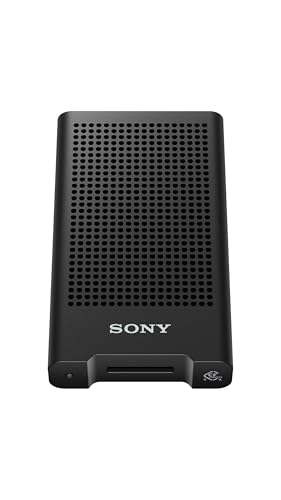
- Supports CFexpress Type A version 4
- USB 40Gbps connectivity
- Compatible with PCs, smartphones, and tablets
Best For: High-speed transfers on USB 40Gbps devices
Best Dual-Slot Value
Rocketek CFexpress Type A/SD Reader

- Has CFexpress Type A and SD slots
- Up to 10Gbps transfer speeds
- Includes USB-C and USB-A cables
Best For: Mixed-card users needing broad device compatibility
Best Type A Specialist
Acer USB-C CFexpress Type A Reader

- Made exclusively for CFexpress Type A cards
- Up to 10Gbps USB-C transfers
- Compact plug-and-play aluminum design
Best For: CFexpress Type A-only users with USB-C devices
Best Dual-Format Pick
2-in-1 CFexpress Type A/B Reader

- Reads CFexpress Type A and Type B cards
- USB 4.0 Gen 2 support up to 40Gbps
- Compatible with USB-C and USB-A devices
Best For: Users working with both CFexpress Type A and Type B cards
Best for Type B and SD
Dual-Slot CFexpress Type B Reader

- Includes CFexpress Type B and SD slots
- USB 3.1 Gen 2 speeds up to 10Gbps
- Built-in USB-C and USB-A connectors
Best For: Creators using both CFexpress Type B and SD cards
Best Portable Type A Pick
10Gbps CFexpress Type A Reader

- Designed specifically for CFexpress Type A cards
- USB 3.2 Gen 2 transfer support up to 10Gbps
- Integrated USB-C and USB-A connectors
Best For: Sony shooters and mobile creators needing a compact Type A reader
Best Dual-Slot Pick
Rocketek CFexpress Type A & SD Reader

- Dual CFexpress Type A and SD slots
- Up to 10Gbps USB 3.2 Gen 2 transfers
- USB-C and USB-A connectivity
Best For: Creators who use both CFexpress Type A and SD cards
Best Focused Type A Reader
BENFEI CFexpress Type A Reader

- Dedicated CFexpress Type A slot
- Up to 10Gbps USB 3.2 Gen 2 speed
- USB-C and USB-A 2-in-1 cable
Best For: Users who only need CFexpress Type A transfers
Best Multi-Format Hub

- Eight slots cover CFexpress Type A/B and more
- Simultaneous multi-card reading
- Works across desktop and mobile platforms
Best For: Professional workflows using multiple memory card formats
Best Overall – Lexar CFexpress Type A/SD Reader
The Lexar Professional CFexpress Type A/SD Reader is a versatile memory card reader with CFexpress Type A support, SD UHS-II compatibility, and USB 3.2 Gen 2 connectivity. It offers transfer rates of up to 900MB/s for CFexpress Type A cards and 312MB/s for UHS-II SD cards in a compact design.
Best For: Photographers and videographers who use both CFexpress Type A and SD cards.
Pros:
- Supports CFexpress Type A and SD UHS-II cards
- USB 10Gbps connectivity with up to 900MB/s CFexpress transfer speeds
- Includes USB-C to USB-C and USB-C to USB-A cables
- Compact design and two-year limited warranty
Cons:
- Listed as a one-slot reader despite supporting two card formats
- USB 10Gbps performance depends on the host device and card
Lexar is a strong all-around choice when your workflow includes both CFexpress Type A and SD media. Its included cables also make it easier to connect with different computers.
Fastest USB Interface – Sony CFexpress Type A MRWG3
The Sony MRWG3 is a memory card reader with CFexpress Type A version 4 support and a USB 40Gbps interface. It is designed for high-speed transfers and works with compatible PCs, smartphones, and tablets through USB-C.
Best For: Sony CFexpress Type A users with devices that support USB 40Gbps connections.
Pros:
- Compatible with CFexpress Type A version 4 cards
- Supports USB 40Gbps transfer connectivity
- Works with PCs, smartphones, and tablets
- Compact black design
Cons:
- Single-slot design
- Does not list SD card support
- Maximum performance requires compatible USB 40Gbps hardware
The MRWG3 stands out for its USB 40Gbps support, making it the most suitable option here for users with a matching computer or mobile device. It is less flexible for anyone who also needs an SD slot.
Best Dual-Slot Value – Rocketek CFexpress Type A/SD Reader
The Rocketek dual-slot memory card reader with CFexpress Type A support also accepts SD, SDXC, SDHC, and UHS-I cards. Its USB 3.2 Gen 2 connection supports up to 10Gbps, and the package includes both USB-C and USB-A cables for broad device compatibility.
Best For: Users who want one reader for CFexpress Type A and common SD cards across Windows, Mac, Linux, Chrome OS, and Android devices.
Pros:
- Includes dedicated CFexpress Type A and SD slots
- Supports up to 10Gbps transfer rates
- Works with USB-C and USB-A devices
- Includes two connection cables
Cons:
- Both cards cannot be read simultaneously
- SD support is listed for SD, SDXC, SDHC, and UHS-I rather than UHS-II
- One-year warranty
Rocketek offers useful format flexibility at the expense of simultaneous offloading. It is a practical pick for creators who switch between card types and need both USB connector options.
Best Type A Specialist – Acer USB-C CFexpress Type A Reader
The Acer USB-C CFexpress Type A Reader is a focused memory card reader with CFexpress Type A support and 10Gbps USB-C connectivity. It is plug and play on compatible Windows, Mac, Linux, and Android devices, but it does not support SD, CFexpress Type B, or other listed card formats.
Best For: Creators who use CFexpress Type A cards exclusively and want a compact USB-C reader.
Pros:
- Designed specifically for CFexpress Type A cards
- Supports transfer speeds up to 10Gbps
- Plug-and-play operation with compatible USB-C devices
- Aluminum casing and a secure spring mechanism
Cons:
- Does not support SD or CFexpress Type B cards
- Requires a compatible USB-C port with OTG support for applicable mobile use
- Single-slot design
Acer keeps this reader straightforward by concentrating on CFexpress Type A cards. Choose it when that limitation matches your kit; users with SD cards should select a multi-format alternative.
Best Dual-Format Pick – 2-in-1 CFexpress Type A/B Reader
If you need a memory card reader with CFexpress Type A that can also handle Type B cards, this CHIPFANCIER model offers a versatile two-format setup. Its USB 4.0 Gen 2 support is designed for high-speed transfers, provided your device has a compatible port.
Best For: Photographers and videographers who use both CFexpress Type A and Type B cards and want broad computer and mobile-device compatibility.
Pros:
- Supports both CFexpress Type A and Type B memory cards.
- Advertised USB 4.0 Gen 2 transfer support up to 40Gbps with compatible hardware.
- Works with Windows, macOS, Linux, Chrome OS, and Android, with USB-C and USB-A connectivity.
- Braided nylon and aluminum construction, plus a stated two-year manufacturer warranty.
Cons:
- Reaching the advertised 40Gbps speed requires a USB 4.0 Gen 2 port on the host device.
- It has one card-reader slot, so it is not a simultaneous multi-card solution.
This is the most flexible choice of the three if your workflow spans both CFexpress formats. It is especially appealing when long-term durability and operating-system flexibility matter as much as transfer speed.
Best for Type B and SD – Dual-Slot CFexpress Type B Reader
This dual-slot reader is a practical option if your kit includes CFexpress Type B and SD cards. The memory card reader with CFexpress Type A keyword does not describe this model’s supported format; it is designed for Type B cards and adds USB-C and USB-A connectivity for flexible transfers.
Best For: Photographers and videographers who use CFexpress Type B and SD media and want one reader for modern and traditional computers.
Pros:
- Combines CFexpress Type B and SD card slots in one device.
- USB 3.1 Gen 2 supports transfer speeds up to 10Gbps.
- Built-in USB-C and USB-A connections work with Windows, Mac, Linux, and Android devices.
- Aluminum construction helps with durability and heat dissipation.
Cons:
- Does not support CFexpress Type A cards.
- Its 10Gbps interface is slower than the 40Gbps claim of the dual-format USB 4.0 reader.
Choose this Rocketek reader when SD compatibility is as important as CFexpress support. Its dual-slot layout and two connector types make it convenient for mixed-media workflows and travel.
Best Portable Type A Pick – 10Gbps CFexpress Type A Reader
For a dedicated memory card reader with CFexpress Type A, this compact Rytaki model provides USB 3.2 Gen 2 performance and integrated USB-C and USB-A connectors. It is designed for moving large photo and video files between cameras, computers, tablets, and supported phones.
Best For: Sony camera users and mobile creators who want a compact Type A reader for USB-C and USB-A devices.
Pros:
- Specifically designed for CFexpress Type A memory cards.
- USB 3.2 Gen 2 supports transfer bandwidth up to 10Gbps.
- Integrated USB-C and USB-A connectors reduce the need for extra adapters or cables.
- Compact aluminum body supports heat dissipation and plug-and-play use.
Cons:
- Supports only CFexpress Type A cards, not Type B or SD cards.
- Actual performance depends on the card and the connected device’s USB capability.
This is the most targeted choice for a Type A-only workflow. Its small footprint and dual connector design make it convenient for field transfers, while the aluminum housing is intended to help manage heat during large-file copying.
Best Dual-Slot Pick – Rocketek CFexpress Type A & SD Reader
If you need a memory card reader with CFexpress Type A support plus SD compatibility, this Rocketek model is a practical all-around option. Its USB 3.2 Gen 2 interface is rated for transfers up to 10Gbps, and the included USB-C/USB-A connectivity makes it easy to use with a range of computers and devices.
Best For: Photographers, vloggers, and filmmakers who use both CFexpress Type A and SD cards.
Pros:
- Dual slots support CFexpress Type A and SD cards.
- USB 3.2 Gen 2 provides up to 10Gbps transfer speeds when host hardware supports it.
- Includes USB-C and USB-A connectivity in a compact aluminum body.
- Plug-and-play support for Windows, Mac, and Google-series devices.
Cons:
- It does not offer the broader multi-format support of an eight-slot reader.
- Actual transfer speeds depend on the card and connected device.
Rocketek is a strong choice when you want one portable reader for two commonly used card types. Its 12-month warranty and passive aluminum heat dissipation add useful reassurance for regular transfers.
Best Focused Type A Reader – BENFEI CFexpress Type A Reader
The BENFEI is a focused memory card reader with CFexpress Type A support for users who do not need an SD slot. It offers USB 3.2 Gen 2 speeds up to 10Gbps, a built-in USB-C/USB-A design, and compatibility across Windows, Mac, Linux, and Android systems.
Best For: CFexpress Type A users who want a simple, single-slot reader with broad platform support.
Pros:
- Designed specifically for CFexpress Type A cards.
- Supports up to 10Gbps through USB 3.2 Gen 2.
- Works with USB-A and USB-C ports, including Thunderbolt 3/4-compatible USB-C slots.
- Braided cable, aluminum housing, and an 18-month warranty support everyday durability.
Cons:
- Does not support SD cards or CFexpress Type B cards.
- Its single slot is less flexible for mixed-card workflows.
Choose BENFEI when reliable Type A offloading matters more than multi-format versatility. The straightforward design keeps the setup simple, while the longer warranty is a useful advantage for frequent use.
Best Multi-Format Hub – Rytaki Pro 8-Slot Card Reader
For professional workflows involving several card formats, this Rytaki Pro memory card reader with CFexpress Type A support offers much broader coverage than a basic adapter. It provides eight slots for CFexpress Type A and Type B, XQD, SD, TF, MS, XD, and CF cards, along with simultaneous reading and USB 3.2 Gen 2 transfer speeds up to 10Gbps.
Best For: Professional photographers and filmmakers managing multiple card formats during complex shoots.
Pros:
- Supports eight card formats, including CFexpress Type A and Type B.
- Allows simultaneous multi-card reading.
- Compatible with Windows, Mac OS, Linux, iOS, iPadOS, and Android.
- Aluminum construction is designed for heat dissipation during heavy transfers.
Cons:
- Its larger feature set may be unnecessary for users with only Type A cards.
- XQD support is limited to USB-protocol XQD cards.
- Actual speeds vary with the card and computer hardware.
This is the most versatile option in the group for mixed media management. Its eight-slot layout, simultaneous reading, and broad device support suit on-location professionals, though a simpler reader may be more convenient for occasional Type A transfers.
How We Picked the Best Memory Card Reader with Cfexpress Type a
We focused on the features that matter during real-world transfers: advertised interface speed, supported card formats, connection options, portability, and flexibility across computers and mobile devices. Most readers in this roundup target USB 3.2 Gen 2 speeds up to 10Gbps, while one USB 4 option is aimed at users who want higher interface bandwidth.
We also separated Type A-only readers from dual-slot and multi-format models. A reader can be fast on paper but less useful if it lacks USB-C, requires a separate adapter, or cannot handle the other cards in your camera bag.
Quick Comparison
- Best for a straightforward setup: Choose a dedicated CFexpress Type A reader with a USB-C or USB-A connection.
- Best for mixed media: A Type A and SD dual-slot reader reduces the number of accessories you need.
- Best for broad compatibility: Multi-format readers can support Type A, Type B, SD, and other legacy cards, but may be larger.
- Best for maximum interface headroom: A USB 4 model may suit demanding workflows, provided your computer and cable support its capabilities.
Key Buying Factors for a Memory Card Reader with Cfexpress Type a
Interface and Real-World Speed
A 10Gbps USB 3.2 Gen 2 connection is a common choice and can provide fast transfers when paired with a suitable computer, cable, and card. Actual speeds depend on the card, host device, file size, and thermal behavior, so advertised interface speed is not the same as guaranteed sustained throughput.
Card Compatibility
Confirm that the reader supports CFexpress Type A, not only Type B. If you also use SD cards, a dual-slot model can simplify your workflow. Multi-format readers are useful for photographers who work with several camera systems, but check whether slots can be used simultaneously if that feature matters to you.
Ports, Cables, and Device Support
USB-C is convenient for modern laptops, tablets, and phones, while USB-A remains useful with older desktops and accessories. Models supplied with both cable types offer more flexibility. Make sure the host device has the required USB standard; a fast reader connected through a slower port will be limited.
Portability and Durability
Travel users should look for a compact enclosure, secure card retention, and a cable that is easy to replace or pack. For desk-based use, cooling and a stable connection may matter more than the smallest possible design.
Who Should Buy Which Memory Card Reader with Cfexpress Type a?
Choose a compact Type A-only reader if you mainly transfer footage from one camera and want the simplest, lightest kit. Choose a Type A and SD reader if your workflow includes both card types and you want fewer accessories. Choose a Type A/Type B or multi-format reader if you manage cards from several cameras or need one adapter for a production workstation.
Before buying, match the reader’s connector and speed to your computer, verify the supported card types, and consider whether simultaneous card access is genuinely useful. The best Memory Card Reader with Cfexpress Type a is the one that fits your complete transfer setup rather than merely having the highest number on its packaging.