Adding Bluetooth to a Linux desktop or upgrading an unreliable wireless connection can be as simple as plugging in the right USB adapter. The challenge is finding a dongle with dependable Linux support, suitable range, and stable performance across headphones, keyboards, mice, controllers, and other devices.
We’ve selected 10 Bluetooth adapters spanning compact budget models, newer Bluetooth standards, Class 1 long-range options, and versatile choices for Linux desktops, laptops, and Raspberry Pi projects.
Best 10 Bluetooth Adapters for Linux Picks for 2026
Best Compact Pick
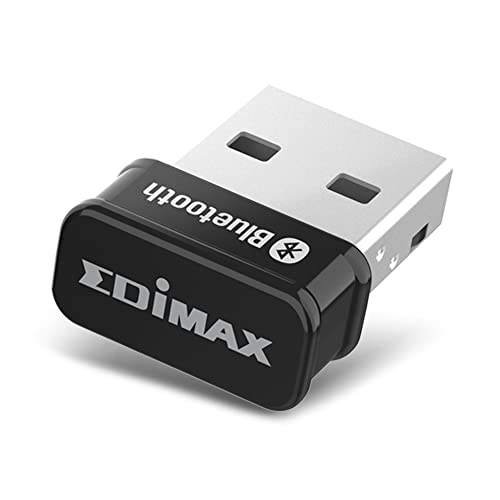
- Tiny Bluetooth 5.0 and EDR USB design
- Linux kernel 5.8+ and Mint 21 plug-and-play support
- Works with audio and common Bluetooth peripherals
Best For: Compact Linux setups and laptops
Best Nano Bluetooth 5.3 Pick

- Low-profile 20-by-15-by-8 mm nano design
- Bluetooth 5.3 with reduced-lag streaming support
- Linux-compatible with manual driver download
Best For: Compact Linux and Windows upgrades
Best Class 1 Range
StarTech Bluetooth 5.3 USB Adapter

- Class 1 range up to 328 feet in open environments
- Linux Kernel 5.19.0+ support
- A2DP, PAN, BLE, and multi-device connectivity
Best For: Long-range Linux audio and peripherals
Best Linux-Compatible Pick
Kinivo BTD400 Bluetooth 4.0 Adapter
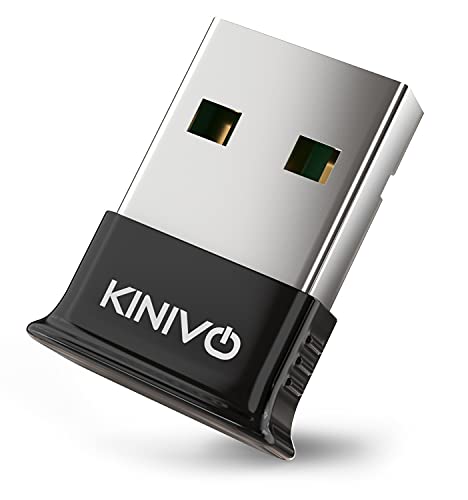
- Explicit Linux and Raspberry Pi support
- Up to 30 feet of stated range
- Two-year warranty included
Best For: Linux PCs and Raspberry Pi users needing everyday Bluetooth connectivity
Windows-Only Alternative
Avantree DG45 USB Bluetooth Adapter

- Supports up to seven paired devices
- Bluetooth 5 hardware for Windows PCs
- Linux and macOS are not supported
Best For: Windows users connecting Bluetooth peripherals and audio devices
Latest-Spec Windows Pick
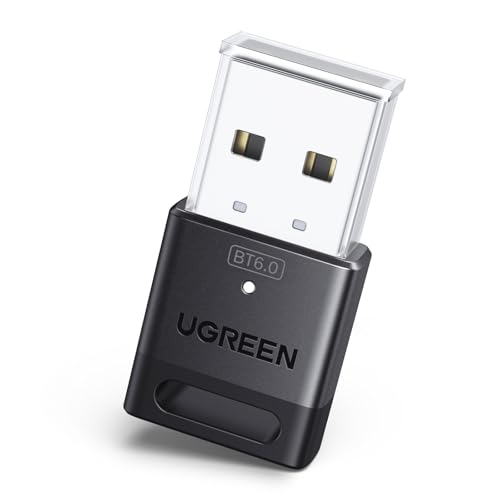
- Bluetooth 6.0 EDR and BLE support
- Connects up to five device types
- Linux and macOS are not supported
Best For: Windows users wanting newer Bluetooth connectivity for peripherals
Best for Multi-Device Linux Setups
ASUS USB-BT600 Bluetooth 6.0 Adapter

- Bluetooth 6.0 with BLE
- Connects up to 7 devices
- Compact Linux-compatible design
Best For: Linux users connecting multiple Bluetooth peripherals
Best Windows Alternative
Amazon Basics Bluetooth 5.4 USB Adapter
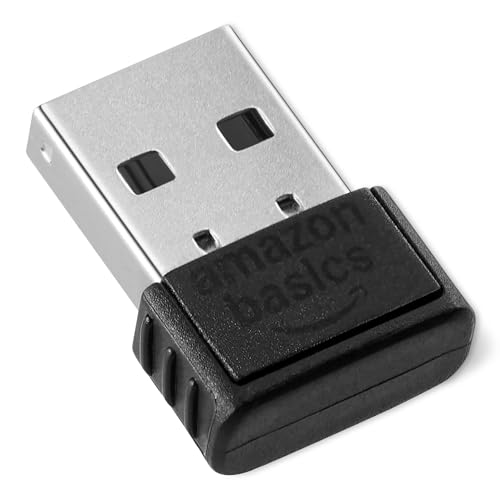
- Bluetooth 5.4 with backward compatibility
- Supports up to 6 devices
- Not compatible with Linux
Best For: Windows 8.1, 10, and 11 PCs
Best Plug-and-Play Linux Pick
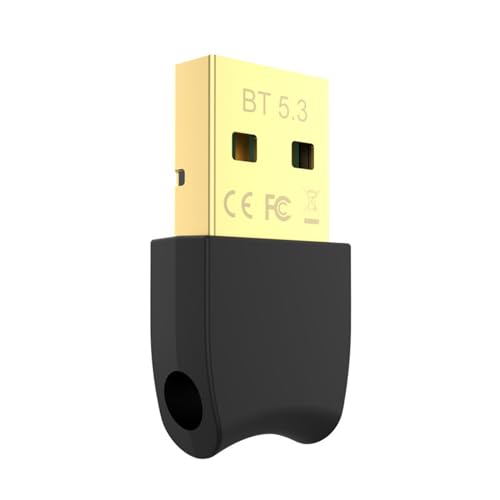
- Bluetooth 5.3 with dual-mode support
- Plug-and-play Linux compatibility
- Compact design for peripherals
Best For: Linux desktops and laptops with everyday Bluetooth devices
Best Compact Pick – Edimax BT-8500 Nano Adapter
The Edimax BT-8500 is a particularly compact option for shoppers comparing bluetooth adapters for linux. Its Bluetooth 5.0 and EDR support, backward compatibility, and Linux plug-and-play support on kernel 5.8 or newer make it a straightforward choice for compatible systems.
Best For: Linux users who want a tiny adapter for headphones, speakers, keyboards, mice, and other Bluetooth peripherals.
Pros:
- Nano-sized design measures just 0.59 inches by 0.59 inches by 0.69 inches.
- Bluetooth 5.0 with EDR, BLE, and backward compatibility with earlier Bluetooth versions.
- Plug-and-play support for Linux kernel 5.8 or newer and Mint 21.
- Bluetooth SIG Certified for compatibility and consistent performance.
Cons:
- Linux plug-and-play support is limited to kernel 5.8 or newer and Mint 21; older systems may need a driver.
- The listed data transfer rate is 3 Mbps.
The BT-8500 stands out when minimizing size matters most. Check your Linux kernel version before buying, particularly if you plan to use an older distribution.
Best Long-Range Design – TP-Link UB500 Plus Bluetooth 5.3 Adapter
The TP-Link UB500 Plus is designed around reception and coverage rather than a flush nano profile. Its Bluetooth 5.3 support, adjustable antenna, and claimed range improvements make it worth considering among bluetooth adapters for linux if wireless placement is a priority, though the supplied compatibility information lists Windows rather than Linux.
Best For: Windows users who need an adjustable antenna and longer-range Bluetooth connectivity for a desktop or laptop.
Pros:
- Bluetooth 5.3 with EDR and backward compatibility from Bluetooth 4.2 through 1.1.
- Adjustable, multi-direction antenna can be positioned for reception.
- Advertised at up to twice the speed and four times the coverage of Bluetooth 4.0 EDR adapters.
- Plug-and-play support is listed for Windows 8.1, 10, and 11.
Cons:
- The supplied specifications list Windows operating systems and do not confirm Linux support.
- It is larger than a nano adapter, measuring 3.19 by 1.65 by 0.66 inches.
- Windows 7 requires a downloaded driver.
The UB500 Plus is a strong range-focused Windows option, but Linux buyers should verify driver availability directly with TP-Link before choosing it for a Linux system.
Best Nano Bluetooth 5.3 Pick – Cudy BU530 USB Adapter
The Cudy BU530 combines a flush-fitting nano design with Bluetooth 5.3 support and listed Linux compatibility. For shoppers seeking bluetooth adapters for linux, its manual Linux driver availability and compact 20-by-15-by-8 mm body make it a practical upgrade for desktops and laptops.
Best For: Linux and Windows users who want a lightweight, low-profile adapter for audio, input devices, controllers, and sensors.
Pros:
- Compact 20-by-15-by-8 mm design weighs about 2 grams.
- Bluetooth 5.3 supports faster pairing and reduced audio lag compared with older versions.
- Compatible with Windows 11/10/8.1/7 and Linux, with a Linux driver available from Cudy.
- Supports Bluetooth 4.x, 3.x, and 2.x devices.
Cons:
- Linux installation requires manual driver setup.
- Driver availability and installation instructions are provided through Cudy’s download center rather than automatic Linux plug-and-play.
The BU530 is a balanced choice for Linux users who value a small footprint and current Bluetooth features. Be prepared to download and manually install the Linux driver when required.
Best Class 1 Range – StarTech Bluetooth 5.3 USB Adapter
The StarTech AV53C1 is a Class 1 Bluetooth 5.3 adapter built for extended wireless range and Linux support. It is a compelling entry among bluetooth adapters for linux for systems running Linux Kernel 5.19.0 or newer, especially when audio streaming or peripherals need a stable connection across a larger area.
Best For: Linux users who need Class 1 range, audio streaming, and connectivity for multiple Bluetooth peripherals.
Pros:
- Class 1 Bluetooth 5.3 connection with advertised range up to 328 feet in open environments.
- Native support for Linux Kernel 5.19.0+ and Windows 7/8/10/11.
- Supports A2DP audio, Bluetooth PAN, BDR/EDR, and BLE.
- Omnidirectional antenna is designed to improve signal strength and reduce interference.
Cons:
- Linux support requires Kernel 5.19.0 or newer.
- The 1.8-by-0.7-by-0.4-inch adapter is larger and heavier than nano models.
- The listed transfer rate is 2 Mbps.
The StarTech adapter is the most range-oriented option in this group. Its Class 1 design and broad profile support are useful, but confirm your kernel version and available USB space before purchasing.
Best Linux-Compatible Pick – Kinivo BTD400 Bluetooth 4.0 Adapter
The Kinivo BTD400 is one of the more suitable bluetooth adapters for linux, with stated Linux compatibility alongside Raspberry Pi and several Windows versions. It adds Bluetooth connectivity for devices such as headphones, printers, phones, keyboards, and game controllers.
Best For: Linux PC and Raspberry Pi users who want a compact adapter with broad device compatibility and low-energy Bluetooth support.
Pros:
- Explicitly compatible with Linux PCs and Raspbian or Ubuntu on Raspberry Pi.
- Supports Bluetooth 4.0 and Bluetooth Low Energy devices.
- Offers up to 30 feet of wireless range under suitable conditions.
- Includes a two-year warranty and US-based customer support.
Cons:
- Bluetooth 4.0 is an older specification than newer adapters.
- Windows 11 and Windows 10 require driver installation.
For Linux buyers, the clearly stated operating-system support makes the BTD400 a safer choice than adapters designed only for Windows. Its modest Bluetooth 4.0 feature set is best suited to everyday peripherals rather than users seeking the newest Bluetooth standard.
Windows-Only Alternative – Avantree DG45 USB Bluetooth Adapter
The Avantree DG45 is not a suitable choice for bluetooth adapters for linux because its supplied specifications limit compatibility to Windows 11, 10, 8.1, and 8. For supported Windows PCs, it connects Bluetooth peripherals and can pair with multiple devices.
Best For: Windows users who need Bluetooth connectivity for headphones, speakers, keyboards, mice, printers, or supported controllers.
Pros:
- Supports up to seven paired Bluetooth devices.
- Can use non-audio Bluetooth devices simultaneously.
- Supports stereo audio streaming and headphone microphone calls.
- Uses Bluetooth 5 hardware.
Cons:
- Explicitly does not support Linux, macOS, or ChromeOS.
- Only one Bluetooth audio device can be active at a time.
- Does not support Wi-Fi or 2.4 GHz wireless devices.
The DG45 offers useful multi-device support, but Linux shoppers should skip it because Linux is specifically excluded. It makes more sense as a clearly labeled Windows-only alternative for standard Bluetooth peripherals and audio devices.
Latest-Spec Windows Pick – UGREEN Bluetooth 6.0 Dongle
The UGREEN Bluetooth 6.0 dongle is not among the recommended bluetooth adapters for linux because the supplied notes explicitly state that Linux is unsupported. It is instead designed for Windows 11, 10, and 8.1, with Bluetooth 6.0 EDR and backward compatibility for earlier Bluetooth versions.
Best For: Windows users who want a newer Bluetooth adapter for keyboards, mice, headphones, speakers, phones, and other supported peripherals.
Pros:
- Uses Bluetooth 6.0 EDR and supports Bluetooth Low Energy.
- Backward compatible with Bluetooth 5.4, 5.3, and earlier versions.
- Supports up to five connected device types at once.
- Plug-and-play operation is stated for Windows 11, 10, and 8.1.
Cons:
- Linux, macOS, and Windows 7 are not supported.
- Only one Bluetooth audio device of the same type can play music at a time.
- Not designed for direct use with gaming consoles, TVs, or car systems.
Although its Bluetooth 6.0 specification is attractive, Linux users should not buy this model for a Linux system. For compatible Windows PCs, it offers newer Bluetooth technology and multi-device support, provided existing Bluetooth hardware is disabled if necessary.
Best for Multi-Device Linux Setups – ASUS USB-BT600 Bluetooth 6.0 Adapter
If you need Bluetooth adapters for Linux that can handle several peripherals in a compact package, the ASUS USB-BT600 is a strong option to consider. It uses Bluetooth 6.0 with BLE, supports up to seven connected devices, and works with Linux as well as Windows 10 and 11.
Best For: Linux desktops and laptops with multiple Bluetooth peripherals.
Pros:
- Bluetooth 6.0 with Bluetooth Low Energy for energy-saving connectivity.
- Supports connections with up to seven Bluetooth devices.
- Ultra-compact USB 2.0 Type-A design for portability.
- Backward compatible with previous Bluetooth versions.
Cons:
- Uses a USB Type-A connector, which may require an adapter for newer ports.
- The listed Linux support does not specify particular distributions or setup requirements.
Its combination of current Bluetooth technology, broad backward compatibility, and seven-device capacity makes the USB-BT600 a practical pick when flexibility matters. The included three-year warranty is an additional advantage.
Best Windows Alternative – Amazon Basics Bluetooth 5.4 USB Adapter
Although it may appear among Bluetooth adapters for Linux, the Amazon Basics Bluetooth 5.4 USB Adapter is explicitly limited to Windows 8.1, 10, and 11. For a supported Windows PC, it provides a simple USB connection, backward compatibility, and support for up to six devices.
Best For: Windows PCs that need an uncomplicated Bluetooth upgrade.
Pros:
- Supports Bluetooth 5.4 and earlier Bluetooth versions through 1.1.
- Can connect up to six devices simultaneously.
- EDR and BLE support are designed for faster transfers and lower energy consumption.
- Lightweight nano receiver fits a standard USB port.
Cons:
- Not compatible with Linux, Mac, Chrome, Unix, PlayStation, or Windows versions below 8.1.
- The manufacturer advises disabling built-in Bluetooth before use.
This adapter is a sensible Windows-only choice, but it should not be selected for a Linux system. Its clearly stated operating-system limitation is the key consideration before buying.
Best Plug-and-Play Linux Pick – Bluetooth 5.3 USB Adapter
For shoppers comparing Bluetooth adapters for Linux, this Bluetooth 5.3 USB dongle offers a compact option with dual-mode support and stated Linux compatibility. It is designed for plug-and-play use and can connect devices such as headphones, speakers, keyboards, mice, and printers.
Best For: Linux users seeking a small adapter for everyday peripherals.
Pros:
- Bluetooth 5.3 with EDR and dual-mode BR/EDR plus Low Energy support.
- Plug-and-play design eliminates the need for driver installation according to the listing.
- Compact enough to remain connected without obstructing other USB ports.
- Listed range reaches up to 66 feet in open spaces, with conditions affecting performance.
Cons:
- Maximum listed transfer rate is 3 Mbps.
- Range can vary with barriers and radio interference.
- Not compatible with Mac OS, car stereos, Xbox, PS4, or TVs.
This model balances Linux compatibility, easy installation, and a travel-friendly form factor. Its device support is broad, though the stated range and speed should be viewed as environment-dependent.
How We Picked the Best Bluetooth Adapters for Linux
We focused on USB adapters that offer a practical balance of compatibility, connection stability, range, size, and value. The selection includes compact nano dongles for everyday peripherals, newer Bluetooth 5.3–6.0 models, and higher-power Class 1 adapters for users who need more distance. We also considered whether each product is explicitly marketed for Linux or has hardware characteristics commonly suited to Linux systems.
Because Linux support can depend on the kernel, distribution, chipset, and firmware, no adapter is universally guaranteed to work with every setup. Before buying, check recent user reports for your distribution and confirm that the adapter does not require a proprietary Windows-only driver.
Quick Comparison
| Best For | What to Look For | Recommended Type |
|---|---|---|
| Basic keyboard and mouse use | Compact design and dependable plug-and-play operation | Nano USB adapter |
| Headphones and speakers | Current Bluetooth version and stable audio performance | Bluetooth 5.3 or newer |
| Longer-distance connections | Class 1 power and a clear line of sight | Long-range adapter |
| Raspberry Pi or small projects | Low power draw and broad Linux compatibility | Linux-listed compact dongle |
| Multiple connected devices | Host and adapter support for several active links | Modern Bluetooth adapter |
Key Buying Factors for Bluetooth Adapters for Linux
Linux and Kernel Compatibility
Look for explicit Linux support, a widely supported chipset, or strong community feedback for your distribution. Ubuntu, Fedora, Debian, Arch, and Raspberry Pi OS may handle the same hardware differently. A current kernel can improve support, but it cannot fix every driver or firmware limitation.
Bluetooth Version and Profiles
Bluetooth 5.3 and newer can improve efficiency and connection management, but the benefits depend on the connected device. Check support for the profiles you need, such as A2DP for stereo audio, HID for keyboards and mice, and BLE for low-power accessories.
Range and Interference
Class 1 adapters generally provide more transmit power than typical compact dongles, though walls, USB 3 interference, antenna design, and the receiving device still affect real-world range. A short USB extension cable can help move the adapter away from a crowded computer port.
Size, Ports, and Device Limits
Nano adapters are convenient for laptops and front-panel ports, while larger or Class 1 models may be preferable for desktops. Confirm whether the adapter supports simultaneous connections for your intended mix of peripherals and audio devices.
Who Should Buy Which Bluetooth Adapters for Linux?
Choose a nano adapter if you want an unobtrusive upgrade for a keyboard, mouse, or occasional headset. Choose a Bluetooth 5.3 or newer model if you are buying new accessories and want current efficiency and connectivity features. Choose a Class 1 adapter for a desktop located far from headphones, speakers, or controllers. Choose a Linux-listed model for Raspberry Pi builds or systems where minimizing driver troubleshooting matters most.