The best memory card readers for photographers make it easier to move photos and video from camera cards to computers, tablets, and phones without slowing down your workflow.
We selected 10 options covering common SD and microSD cards, legacy formats, CFexpress Type B, multiple-card transfers, and USB-C connectivity.
Best 10 Memory Card Readers for Photographers Picks for 2026
Best All-Around 4-in-1
BENFEI USB-C/USB 3.0 Card Reader

- Reads SD, microSD, MS, and CF cards
- USB-C and USB 3.0 connectivity
- Supports four-card simultaneous transfers
Best For: Photographers using multiple card formats
Best for Pro-Speed Workflows
ProGrade CFexpress Type B & SD Reader
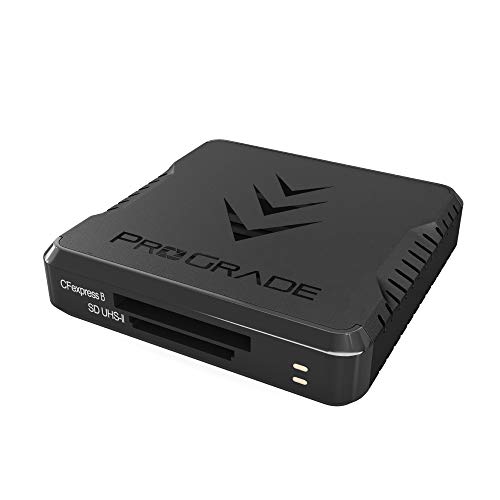
- Supports CFexpress Type B and SD
- USB 3.2 Gen 2 speeds up to 10Gb/s
- Simultaneous dual-card transfers
Best For: High-speed CFexpress and SD workflows
Best Legacy-Format Coverage
llano 5-in-1 USB-C Card Reader

- Supports CF, MS, M2, SD, and microSD
- Four-card simultaneous reading
- USB-C with OTG and plug-and-play support
Best For: Mixed legacy and modern card collections
Best Compact Travel Pick
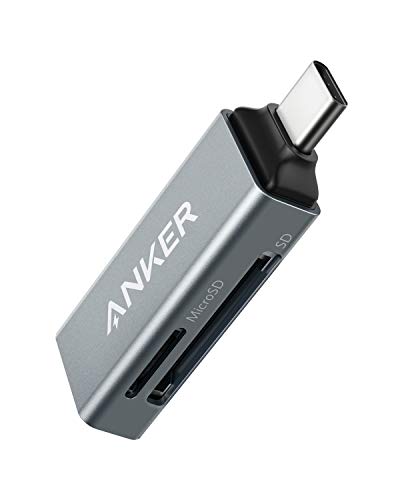
- Dedicated SD and microSD slots
- Ultra-compact 9-gram design
- USB-C on-the-go connectivity
Best For: Travel photographers using SD and microSD cards
Versatile Four-Slot Pick
SmartQ C368 USB 3.0 Card Reader

- Supports SD, microSD, MS, and CF cards
- Up to 5Gbps USB 3.0 transfers
- Plug-and-play across Windows, macOS, and Linux
Best For: Photographers using several card formats with USB-A computers
Maximum Format Flexibility
Yeemie Pro 7-in-1 USB-C Card Reader

- Seven slots cover SD, TF, CF, XD, and MS
- Reads up to five cards simultaneously
- USB-C transfers up to 5Gbps
Best For: Multi-format photographers using USB-C devices
Compact Dual-Interface Option
Acer USB-C Dual-Slot Card Reader

- Reads SD and microSD cards simultaneously
- Includes USB-C and USB-A connectors
- Compact design with up to 5Gbps transfers
Best For: SD and microSD photographers switching between USB-C and USB-A devices
Most Versatile
4-in-1 USB-C CF/SD Card Reader

- Reads CF, SD, microSD/TF, and Memory Stick cards
- Includes USB-C connector and detachable USB adapter
- Plug-and-play support for iOS, Android, Windows, and macOS
Best For: Photographers using multiple camera card formats
Best Compact Option
USB-C SD Reader with USB-A Port

- Supports SD and microSD card formats
- Adds a USB-A port for peripherals
- Compact plug-and-play design for USB-C devices
Best For: Photographers focused on SD and microSD transfers
Best for Expansion
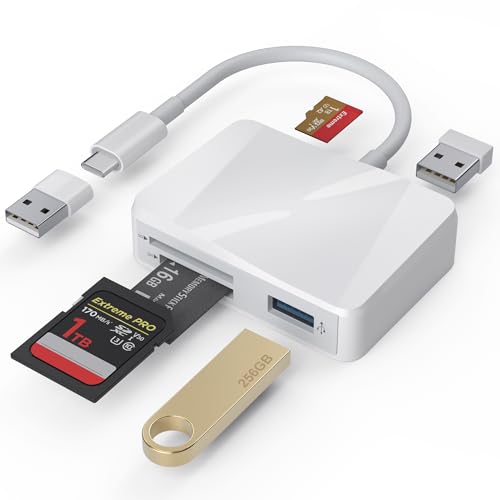
- Reads SD, microSD/TF, and Memory Stick cards
- Adds two USB-A ports for peripherals and storage
- Includes USB-C and detachable USB adapter connectivity
Best For: Photographers who need card reading and USB-A expansion
Best All-Around 4-in-1 – BENFEI USB-C/USB 3.0 Card Reader
For photographers who need broad media support, the BENFEI 4-in-1 is a versatile choice among memory card readers for photographers. Its USB-C and USB 3.0 connectors support SD, microSD, Memory Stick, and CompactFlash cards, while four cards can be read and written simultaneously.
Best For: Photographers using several card formats across USB-C and USB-A computers, laptops, or compatible mobile devices.
Pros:
- Supports SD, microSD, Memory Stick, and CF cards.
- USB-C and USB 3.0 connectivity in one integrated design.
- Can read four cards at the same time.
- Includes an 18-month warranty.
Cons:
- Not compatible with standard Memory Stick, M2, or CF Type I cards.
- Maximum transfer performance depends on the card and host USB port.
The BENFEI stands out when flexibility matters more than a specialized high-speed workflow. It is especially useful for photographers managing mixed card formats and moving files between newer USB-C systems and older USB-A equipment.
Best for Pro-Speed Workflows – ProGrade CFexpress Type B & SD Reader
The ProGrade Digital dual-slot reader is built for photographers and creators who prioritize fast downloads. With USB 3.2 Gen 2 connectivity, it supports CFexpress Type B and SD cards and is rated for transfers up to 1.25GB/s from both cards simultaneously.
Best For: Professional photographers and video creators using CFexpress Type B and SD cards who want efficient post-production transfers.
Pros:
- Supports CFexpress Type B and SD cards.
- Up to 10Gb/s USB 3.2 Gen 2 transfer speeds.
- Can transfer from both slots simultaneously.
- Magnetic mounting system helps create a compact mobile workstation.
Cons:
- Only two card slots are included.
- Its performance is most relevant to users with compatible high-speed cards and USB 3.2 hardware.
This is the most speed-focused option in the group. The magnetic mounting feature is particularly practical for mobile editing, while the two-slot design keeps the reader targeted toward modern CFexpress and SD workflows.
Best Legacy-Format Coverage – llano 5-in-1 USB-C Card Reader
The llano 5-in-1 is a strong pick for photographers who work with a wide range of older and current media. It supports CompactFlash, Memory Stick, M2, SD, and microSD cards through USB-C, with plug-and-play operation across Windows, macOS, Linux, Chrome OS, and compatible Android devices.
Best For: Photographers and content creators managing CF, MS, M2, SD, and microSD cards from USB-C computers or mobile devices.
Pros:
- Supports five major card families, including CF and M2.
- Reads four card types simultaneously for batch transfers.
- USB 3.2 Gen 1 offers speeds up to 5Gbps, with stated read speeds up to 104MB/s.
- Includes OTG support and a 24-month protection plan.
Cons:
- Not compatible with CFast cards.
- TF and M2 cards share one channel and cannot be read simultaneously.
- CompactFlash pins require careful alignment during insertion.
Choose the llano when format compatibility is the priority. Its broad slot selection and USB-C OTG support make it convenient for photographers transferring files from mixed media, though users should take care when inserting CF cards.
Best Compact Travel Pick – Anker USB-C Dual-Slot Reader
The Anker PowerExpand is a lightweight option for photographers who mainly use standard SD and microSD cards. Its dual slots make it easy to swap or copy files, and the USB-C design works with compatible laptops, phones, and other devices.
Best For: Travelers and photographers who want a compact reader for SD and microSD cards.
Pros:
- Includes separate SD and microSD slots.
- Ultra-compact 9-gram design is easy to carry.
- USB-C supports on-the-go use with compatible smartphones.
- Supports SDXC, SDHC, SD, microSDXC, microSDHC, and UHS-I cards.
Cons:
- Supports only two card formats and lacks CF or Memory Stick slots.
- Some devices may require removing a case for connection.
- Compatibility details vary by host device and operating system.
For photographers who use SD and microSD exclusively, the Anker offers a simple, travel-friendly solution without unnecessary slots. Its small footprint is the main advantage, especially when paired with a USB-C phone or laptop.
Versatile Four-Slot Pick – SmartQ C368 USB 3.0 Card Reader
The SmartQ C368 is a practical choice among memory card readers for photographers who use several card formats. Its four-in-one design supports SD, microSD, Memory Stick, and CompactFlash cards, while USB 3.0 connectivity provides transfer speeds of up to 5Gbps for compatible devices.
Best For: Photographers who need broad card-format support and a simple USB-A reader for travel or desktop use.
Pros:
- Supports SD, microSD, MS, and CF cards in one reader.
- Reads cards independently, allowing flexible file access.
- Plug-and-play compatibility with Windows, macOS, and Linux.
- Blue LED indicates the reader’s powered status.
Cons:
- Uses USB Type-A rather than USB-C.
- Memory cards are not included.
Choose the C368 if your camera kit includes multiple card types and your computer has a USB-A port. It is less convenient for newer USB-C-only devices without an adapter.
Maximum Format Flexibility – Yeemie Pro 7-in-1 USB-C Card Reader
The Yeemie Pro 7-in-1 reader stands out among memory card readers for photographers who work across SD, microSD, CF, XD, and Memory Stick formats. Its USB-C connection supports transfers up to 5Gbps, and the seven slots can read up to five cards simultaneously according to the supplied product details.
Best For: Photographers and creators who need extensive card-format coverage and USB-C connectivity for newer laptops, tablets, and phones.
Pros:
- Seven slots support SD, TF/microSD, CF, XD, and MS cards.
- Designed to read up to five cards at the same time.
- USB-C interface supports transfer speeds up to 5Gbps.
- Compatible with many USB-C phones, tablets, laptops, and cameras.
Cons:
- USB-C connectivity may require an adapter for USB-A computers.
- Its larger multi-slot design may be more than needed for single-card workflows.
This reader is the strongest fit when your workflow spans several legacy and current card types. Its simultaneous multi-card capability can reduce repeated card swaps during larger transfers.
Compact Dual-Interface Option – Acer USB-C Dual-Slot Card Reader
The Acer dual-slot reader is a convenient option among memory card readers for photographers using standard SD and microSD cards. It combines USB-C and USB-A connectors with simultaneous SD and microSD reading, plus USB 3.0 transfer speeds up to 5Gbps.
Best For: Photographers who mainly use SD or microSD cards and want one compact reader for USB-C and USB-A devices.
Pros:
- Supports simultaneous reading and writing on SD and microSD cards.
- Dual USB-C and USB-A headers suit newer and older computers.
- Compact, lightweight design with protective port covers.
- Plug-and-play support for Windows, macOS, and most Android devices.
Cons:
- Does not support CF Express, CF, XQD, MS, or Memory Stick cards.
- Not compatible with Lightning-port devices.
- Thick device cases may prevent full insertion.
This Acer model is a focused, travel-friendly choice for SD-based camera systems. Its dual-interface design is especially useful when moving between USB-C laptops and USB-A computers, but users of CF or other specialty formats should choose a broader reader.
Most Versatile – 4-in-1 USB-C CF/SD Card Reader
For photographers who need broad media support, this 4-in-1 reader covers CF, SD, microSD/TF, and Memory Stick cards in one compact USB-C accessory. Its detachable USB adapter also makes it useful with older USB-equipped computers, while plug-and-play operation supports photo and video transfers across iOS, Android, Windows, and macOS devices.
Best For: Photographers working with several camera card formats who transfer files between USB-C and USB devices.
Pros:
- Supports CF, SD, microSD/TF, and Memory Stick formats.
- Includes USB-C connectivity plus a detachable USB adapter.
- Works without additional drivers, software, or network access.
- Supports common JPEG, RAW, H.264, and MPEG-4 files.
Cons:
- Listed transfer rate is up to 480 megabits per second.
- Does not support Wi-Fi SD cards.
This is the most format-flexible option in the group, especially for photographers using older cameras with CF or Memory Stick media. Its dual-connector design adds convenience when moving images between newer phones and legacy computers.
Best Compact Option – USB-C SD Reader with USB-A Port
This compact USB-C reader is a practical choice for photographers who primarily use SD and microSD cards. It connects directly to USB-C phones, tablets, and computers, adds a USB-A port for peripherals, and supports plug-and-play transfers through operating systems including macOS, Windows, Linux, and Chrome OS.
Best For: Photographers who use SD or microSD cards and want a compact reader with an extra USB-A connection.
Pros:
- Supports SD, SDHC, SDXC, microSD, microSDHC, and microSDXC cards.
- USB-C compatibility covers newer iPhones, iPads, Macs, Android devices, and laptops.
- Built-in USB-A port can connect flash drives, hard drives, keyboards, mice, and other peripherals.
- No driver or third-party app is required.
Cons:
- Does not support Lightning-equipped iPhones.
- Cannot read SD and microSD cards simultaneously.
- Listed data transfer rate is 54 megabytes per second.
Among these memory card readers for photographers, this model stands out for its simple SD/microSD focus and built-in USB-A expansion. Choose it when portability and everyday compatibility matter more than support for professional CF or Memory Stick cards.
Best for Expansion – 5-in-1 USB-C Card Reader Hub
This 5-in-1 reader combines SD, microSD, and Memory Stick slots with two USB-A ports, making it more than a basic card adapter. Photographers can use it to transfer camera images to USB-C phones, tablets, and computers while also connecting compatible USB devices such as flash drives, cameras, keyboards, or mice.
Best For: Photographers who want card reading plus USB-A expansion for a MacBook, iPad Pro, laptop, or USB-C mobile device.
Pros:
- Provides SD, microSD/TF, and Memory Stick card slots.
- Includes two USB-A ports for added device connectivity.
- Supports USB-C and older USB devices through the included detachable adapter.
- Plug-and-play operation requires no additional driver or power supply.
Cons:
- Does not include a CompactFlash slot.
- The supplied details list a 480 megabytes-per-second transfer rate, so actual performance depends on the device and card.
This is the strongest choice when a photographer needs a reader that can double as a small connectivity hub. Its three card slots cover common SD-family and Memory Stick media, while the dual USB-A ports add useful flexibility for file workflows.
How We Picked the Best Memory Card Readers for Photographers
We focused on compatibility, connection type, transfer flexibility, and practical workflow features. The selection includes simple dual-slot readers, multi-format adapters for older cameras and specialty devices, and a dedicated CFexpress Type B reader for high-bitrate photography and video.
We also considered whether each reader supports USB-C, USB-A, or both; whether it can read multiple cards; and how useful its format coverage is for photographers who work across several camera systems. Because advertised speeds depend on the card, computer, cable, and port, real-world performance can vary.
Quick Comparison
- Best for CFexpress workflows: ProGrade Digital PG05.5
- Best for broad format coverage: BENFEI 4-in-1 or llano 5-in-1
- Best compact USB-C options: Anker or acer dual-slot readers
- Best for older Memory Stick formats: the 7-in-1 Memory Stick Pro Duo reader
- Best for phones, tablets, and laptops: USB-C readers with SD and microSD slots
- Best for mixed modern and legacy connections: the 5-in-1 USB-C and USB adapter
Key Buying Factors for Memory Card Readers for Photographers
Card Format Compatibility
Check the cards used by your cameras before buying. SD and microSD support covers many current cameras, drones, and action cameras, while CFexpress Type B requires a dedicated compatible reader. CF, CompactFlash, MS, M2, and XD support matters mainly if you use older cameras or specialty equipment.
Connection and Device Compatibility
USB-C is the most convenient choice for newer MacBooks, Windows laptops, iPads, Android devices, and recent iPhones. A reader with USB-A support is more versatile if you use older computers. Adapters can help, but a native connection is usually simpler and less prone to compatibility issues.
Speed and Simultaneous Transfers
For large RAW libraries and 4K or higher-resolution video, prioritize a fast USB standard and a reader designed for your card type. Multi-slot readers can save time, but verify whether simultaneous read/write is supported and whether using several cards shares available bandwidth.
Portability and Build
A small reader is ideal for a camera bag, while a larger model with a fixed cable or multiple ports may be better for a desk-based editing station. Look for secure card slots, a durable housing, and a cable or connector that will not obstruct nearby ports.
Who Should Buy Which Memory Card Readers for Photographers?
Choose the ProGrade Digital reader if your workflow depends on CFexpress Type B and fast transfers from professional cameras. Choose BENFEI or llano if you need broad support for several card formats, including legacy media.
Choose Anker or acer for a compact SD and microSD solution that pairs naturally with USB-C devices. Choose SmartQ if you need a straightforward reader with USB-A compatibility for Apple and Windows computers.
For Memory Stick Pro Duo, XD, or unusual older formats, select the dedicated multi-format reader that explicitly lists your card. For phone- and tablet-based imports, prioritize a USB-C model with the slots you use most and confirm compatibility with your device before purchasing.