Choosing the right memory card reader for archiving can make large photo, video, and document transfers faster, more reliable, and easier to organize. The best option depends on your card formats, computer ports, transfer speeds, and how often you move important files.
We selected 10 readers ranging from compact USB-C adapters to multi-format hubs and professional dual-slot models, helping you match your archive workflow with the right balance of compatibility, speed, and convenience.
Best 10 Memory Card Readers for Archiving Picks for 2026
Most Versatile
UGREEN 4-Slot USB 3.0 Card Reader
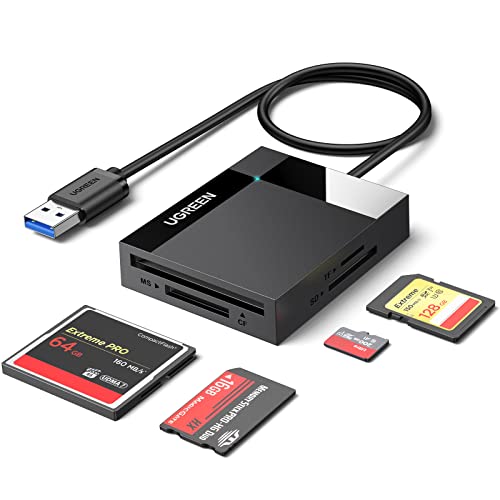
- Supports SD, microSD, CF, and Memory Stick formats
- Reads and writes four cards simultaneously
- Works with Windows, macOS, Linux, and ChromeOS
Best For: Mixed-format photo and media archives
Broadest Format Support
Delkin Universal USB 3.0 Reader

- Handles SD, CF, microSD, xD, MMC, and more
- Provides five card slots with simultaneous transfer
- Plug-and-play and backward compatible with USB 2.0 and 1.1
Best For: Archives containing legacy and current card formats
Best Compact USB-C Pick
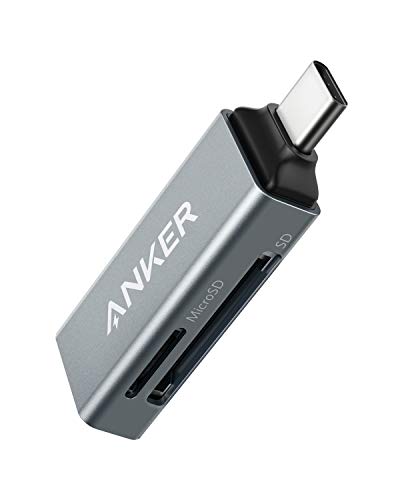
- Combines SD and microSD slots in a 9-gram design
- Connects directly through USB-C
- Supports transfer rates up to 5Gbps
Best For: Portable SD and microSD archiving from USB-C devices
Fastest Workflow
ProGrade Digital Dual-Slot UHS-II Reader

- Built for SD UHS-II card transfers
- Handles two cards simultaneously
- Includes magnetic laptop mounting and a two-year warranty
Best For: High-volume UHS-II photo and video archiving
Versatile Archive Hub
7-in-1 USB 3.0/USB-C Card Reader

- Seven slots cover SD, microSD, CF, MS, and xD cards.
- USB-A and USB-C connectors support multiple devices.
- Simultaneous multi-card reading and writing.
Best For: Mixed-format photo and video archives
Professional Transfer Pick

- Dedicated CFast and SD UHS-II dual slots.
- USB 3.2 Gen 2 rated up to 1250MB/s.
- Simultaneous transfers from both cards.
Best For: Professional CFast and UHS-II workflows
Broad-Format Archive Value
7-in-1 USB-C/USB 3.0 Card Reader

- Supports SD, microSD, CF, xD, and MS media.
- Reads and writes up to five cards simultaneously.
- Works with USB-C and USB 3.0 host connections.
Best For: Broad-format home and studio archives
Professional Archive Hub
Freewell USB 3.2 Duo Card Reader

- Supports CFexpress, SD, and microSD media
- 10Gbps USB-C transfer capability
- 13 slots with card storage compartments
Best For: Professional photographers and videographers managing multiple card formats
Mobile Archive Companion
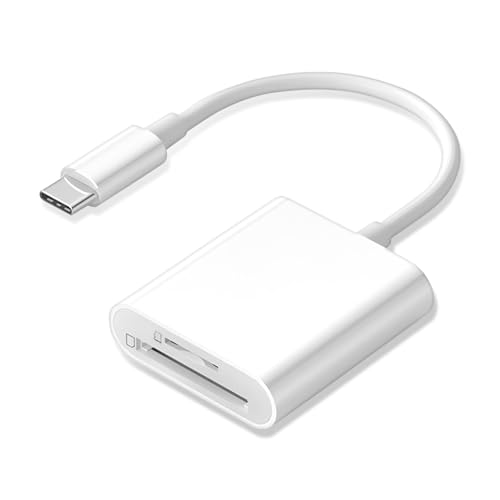
- Reads SD and microSD card formats
- Supports bidirectional file transfers
- Compact plug-and-play USB-C design
Best For: Travelers and mobile users archiving files from standard SD cards
Flexible Dual-Port Archive Tool

- Includes USB-C and USB-A connectors
- Reads SD and microSD cards simultaneously
- 5Gbps USB 3.0 transfer capability
Best For: Users archiving standard SD media across USB-C and USB-A devices
Most Versatile – UGREEN 4-Slot USB 3.0 Card Reader
For memory card readers for archiving, the UGREEN 4-slot hub is a flexible choice when your collection includes several card formats. It supports SD, microSD, CompactFlash, and Memory Stick cards, while USB 3.0 provides transfer speeds of up to 5Gbps.
Best For: Photographers, home archivists, and anyone consolidating files from multiple card types.
Pros:
- Supports SD, microSD, CompactFlash, and Memory Stick formats.
- Can read and write four different cards simultaneously.
- Compatible with Windows, macOS, Linux, and ChromeOS.
- Compact design includes a 1.7-foot cable.
Cons:
- Uses a USB connection rather than USB-C.
- Its broad format support may be more than needed for a single-card workflow.
The UGREEN stands out for archive projects involving mixed media. Simultaneous card access can reduce repeated plugging and unplugging, making it practical for larger file-transfer sessions.
Broadest Format Support – Delkin Universal USB 3.0 Reader
The Delkin Universal Reader is designed for memory card readers for archiving when older and newer formats may appear in the same collection. Its five slots support SD, CompactFlash, microSD, Memory Stick, MicroDrive, MMC, xD, and more, with USB 3.0 connectivity.
Best For: Long-term archiving projects that include cards from multiple generations of cameras and devices.
Pros:
- Supports a particularly wide range of memory card formats.
- Offers simultaneous data transfer for a streamlined workflow.
- USB 3.0 is backward compatible with USB 2.0 and 1.1.
- Plug-and-play operation requires no drivers.
Cons:
- Compatibility details list Windows and macOS rather than a broader range of operating systems.
- Uses a USB Type-A connection.
With five slots and legacy-format support, the Delkin is a strong archival tool for varied card libraries. Its five-year warranty is also notable for buyers planning recurring transfer work.
Best Compact USB-C Pick – Anker Dual-Slot Card Reader
For memory card readers for archiving on a newer laptop or phone, the Anker PowerExpand offers a small USB-C design with separate SD and microSD slots. It supports SDXC, SDHC, SD, microSD, and UHS-I cards and reaches transfer rates of up to 5Gbps.
Best For: USB-C laptop and smartphone users who mainly archive SD and microSD cards.
Pros:
- Ultra-compact 1.65-inch design weighs just 9 grams.
- Provides both standard SD and microSD slots.
- Works with a range of USB-C devices, including compatible laptops and phones.
- Supports simultaneous card access according to its dual-slot design.
Cons:
- Does not support CompactFlash or Memory Stick cards.
- Some devices may require removing a protective case.
- USB-C compatibility should be confirmed before purchase.
The Anker is a convenient choice for lightweight, everyday archiving from SD and microSD media. Its direct USB-C format keeps the setup portable, though it is less suitable for collections involving legacy professional card types.
Fastest Workflow – ProGrade Digital Dual-Slot UHS-II Reader
The ProGrade Digital PG08 targets demanding memory card readers for archiving workflows. Its dual SD UHS-II slots are designed for high-speed transfers, with the manufacturer citing rates up to 1.25GB/s from both cards simultaneously, plus a magnetic mounting option for mobile setups.
Best For: Photographers, videographers, and other users archiving large UHS-II card batches.
Pros:
- Designed for SD UHS-II cards and high-speed file transfers.
- Supports transfers from both cards simultaneously.
- Includes an adhesive metal plate for mounting to a laptop.
- Includes a two-year warranty and Refresh Pro support.
Cons:
- Supports SD-family cards rather than a broad mix of legacy formats.
- Its performance advantages depend on compatible UHS-II cards and host hardware.
- Heavier than the other readers listed at 204 grams.
The ProGrade is the specialist option for speed-focused archive work. It makes the most sense when your cards and computer can take advantage of UHS-II and fast USB transfer capabilities.
Versatile Archive Hub – 7-in-1 USB 3.0/USB-C Card Reader
For archiving photos and video from mixed media, this 7-in-1 reader combines USB-A and USB-C connectivity with support for SD, microSD, CompactFlash, Memory Stick, and xD cards. Its stated 5Gbps transfer rate and multi-card read/write capability make it a flexible choice for home or mobile archive workflows.
Best For: Users archiving files from several legacy and current card formats across computers, tablets, and smartphones.
Pros:
- Supports SD, microSD, CF, MS, and xD formats across seven slots.
- USB-A and USB-C connectors suit laptops, tablets, and phones.
- Supports simultaneous reading and writing on multiple cards.
- Includes a 1-year warranty and plug-and-play operation.
Cons:
- Its broad format support may be more than needed for users with only one card type.
- Transfer performance depends on the card and host port used.
This is a practical all-purpose option for memory card readers for archiving, especially when an archive includes cards from different cameras and devices. The built-in dual connectors also reduce the need for an additional adapter.
Professional Transfer Pick – CFast and SD UHS-II Reader
For archiving from professional cameras that use CFast or SD UHS-II media, this dual-slot reader emphasizes high-speed transfers. USB 3.2 Gen 2 connectivity is rated at up to 1250MB/s, and both cards can transfer simultaneously when the rest of the setup supports those speeds.
Best For: Professional filmmakers, photographers, and content creators managing CFast and SD UHS-II cards.
Pros:
- Dedicated CFast and SD UHS-II slots target professional media.
- USB 3.2 Gen 2 interface is rated for transfers up to 1250MB/s.
- Supports full-speed transfers from both cards simultaneously.
- Includes a magnetic adhesive plate and a 2-year warranty.
Cons:
- It is not a CompactFlash reader.
- Only supports two specified media types, limiting general-purpose use.
- USB-C connectivity may require an adapter for USB-A-only computers.
This is the more specialized choice among these memory card readers for archiving. It makes the most sense when your workflow uses CFast and UHS-II SD cards and your computer can take advantage of the reader’s high-speed interface.
Broad-Format Archive Value – 7-in-1 USB-C/USB 3.0 Card Reader
This 7-in-1 adapter is designed for archiving collections spread across SD, microSD, CompactFlash, xD, and Memory Stick media. Its USB-C and USB 3.0 connectors, 5Gbps rated transfer speed, and simultaneous support for up to five cards provide a flexible setup for computers and mobile devices.
Best For: Home archivists who need broad card compatibility and support across Windows, macOS, Linux, Chrome OS, and Android.
Pros:
- Reads and writes SD, microSD, CF, xD, and MS cards.
- Can read and write five different cards at the same time.
- USB-C and USB 3.0 connectors work with newer and older host ports.
- Plug-and-play design and a 12-month warranty simplify setup.
Cons:
- Its 5Gbps rating is below the ProGrade reader’s stated 1250MB/s rating.
- The many supported formats may be unnecessary for single-format archives.
- Actual transfer speed varies with the memory card and computer.
For varied household or studio collections, this reader offers useful format coverage without requiring separate adapters. It is a sensible general-purpose pick for memory card readers for archiving when compatibility matters more than specialized high-speed media support.
Professional Archive Hub – Freewell USB 3.2 Duo Card Reader
For photographers and videographers building a serious archive, the Freewell Duo Reader is a versatile choice among memory card readers for archiving. Its USB-C connection, broad card support, and storage-oriented design make it suitable for managing multiple media formats across computers, tablets, and phones.
Best For: Professional photographers and videographers who work with several card formats and need a highly versatile reader.
Pros:
- Supports CFexpress, SD, and microSD media, including UHS-I and UHS-II SD cards.
- Offers USB-C data transfer at up to 10Gbps.
- Includes 13 slots and storage compartments for multiple cards and SIMs.
- Works with Windows, macOS, Linux, Android, and iPadOS without driver installation.
Cons:
- Its extensive slot layout may be more than casual users need.
- It does not include a stated warranty.
The Freewell stands out when an archive workflow involves more than standard SD cards. Its durable aluminum construction and broad compatibility add convenience, though a simpler reader may be a better fit for basic two-card transfers.
Mobile Archive Companion – USB-C Dual-Slot SD Reader
This compact dual-slot reader is a practical option for memory card readers for archiving when you primarily use SD and microSD cards. Its USB-C design supports compatible iPhones, iPads, Macs, Windows systems, and other OTG-enabled devices for straightforward file transfers.
Best For: Travelers and mobile users who need a simple SD and microSD reader for USB-C devices.
Pros:
- Reads SD, SDHC, SDXC, microSD, microSDHC, and microSDXC cards.
- Supports bidirectional transfers, including saving device files to a card.
- Plug-and-play operation works with macOS, Windows, and Linux.
- Built-in USB-C cable helps conserve space and keeps the connection convenient.
Cons:
- Its listed transfer rate is 68Mbps, slower than higher-speed archival readers.
- It is limited to two card slots and does not support CFexpress media.
- USB-C and OTG compatibility are required; it is not intended for Lightning devices.
For routine photo and video imports, this LBSC reader offers a compact, uncomplicated setup. Its lower listed speed and narrower format support make it better suited to personal archives and travel transfers than demanding professional ingest workflows.
Flexible Dual-Port Archive Tool – Acer USB-C SD Card Reader
The Acer ODK4E0 is a flexible pick among memory card readers for archiving, especially if your computers and mobile devices use a mix of USB-C and USB-A ports. Dual SD and microSD slots, simultaneous card access, and a listed 5Gbps transfer rate support efficient everyday file management.
Best For: Users who archive SD and microSD footage across USB-C and USB-A computers, phones, and tablets.
Pros:
- Provides both USB-C and USB-A connectivity.
- Supports simultaneous reading and writing from SD and microSD slots.
- Offers up to 5Gbps transfer speeds with USB 3.0.
- Compact aluminum body includes protective covers and an attached cord.
Cons:
- Does not support CFexpress, XQD, SIM, MS, or Memory Stick cards.
- Thick device cases may prevent full insertion.
- Not compatible with Lightning-port devices.
The Acer is a strong everyday archival choice for standard SD-based workflows, particularly where port flexibility matters. It avoids the complexity of professional multi-format readers while offering faster, more convenient transfers than basic USB 2.0 adapters.
How We Picked the Best Memory Card Readers for Archiving
We focused on readers that support dependable file transfers across common archival media, including SD, microSD, CompactFlash, CFast, Memory Stick, and xD formats. We also considered USB interface standards, connector compatibility, simultaneous slot use, portability, and suitability for computers, tablets, phones, and professional production systems.
For archiving, a reader should be more than broadly compatible. It should maintain a stable connection during lengthy transfers, clearly identify cards and volumes, and avoid forcing you to use extra adapters whenever possible. Models with UHS-II or USB 3.2 support can be especially useful when moving large RAW photo libraries or video files.
Quick Comparison
- Best for multiple card types: Choose a 7-in-1 or universal reader with SD, microSD, CF, and additional legacy slots.
- Best for modern laptops and phones: Select a USB-C reader, preferably with a reversible connector and broad device support.
- Best for high-speed media: Look for UHS-II support and a USB 3.2 connection, while confirming that your card also supports those speeds.
- Best for simultaneous transfers: Consider a multi-slot hub, but verify whether its slots can operate concurrently and how bandwidth is shared.
- Best for simple backups: A compact dual-slot SD and microSD reader is usually easier to carry and sufficient for most household archives.
Key Buying Factors for Memory Card Readers for Archiving
Card-Format Compatibility
Inventory the cards you already use before buying. SDXC and microSDXC support covers many current cameras and mobile devices, while CF, CFast, Memory Stick, and xD support matters if you are consolidating older archives.
Interface and Real-World Speed
USB 3.0 is adequate for routine backups, but USB 3.2 and UHS-II support can reduce waiting times with large libraries. The slowest component—card, reader, USB port, cable, or storage drive—sets the practical transfer speed.
Connection and Device Support
USB-C is convenient for newer MacBooks, Windows laptops, iPads, and phones, while USB-A remains useful with older desktops and accessories. If you need both, choose a model with dual connectors or use a quality adapter.
Workflow and Durability
For frequent archiving, favor a firmly connected reader with clear slot labeling, heat management, and a cable or housing that can withstand repeated use. A compact reader is convenient, but a larger hub may provide better access to several formats.
Who Should Buy Which Memory Card Readers for Archiving?
Photographers with current SD cards should choose a fast UHS-II-compatible reader if their cameras and cards support it. Video professionals working with CFast or high-bitrate footage should prioritize a dedicated professional reader with USB 3.2. Families and general backup users can save money and space with a basic SD and microSD dual-slot model.
Users archiving mixed generations of media should select a universal or 7-in-1 reader that includes CF and legacy formats. Travelers and mobile editors will benefit from a compact USB-C model, especially one compatible with phones and tablets. Whichever reader you choose, maintain at least two verified copies of important archives on separate storage devices.